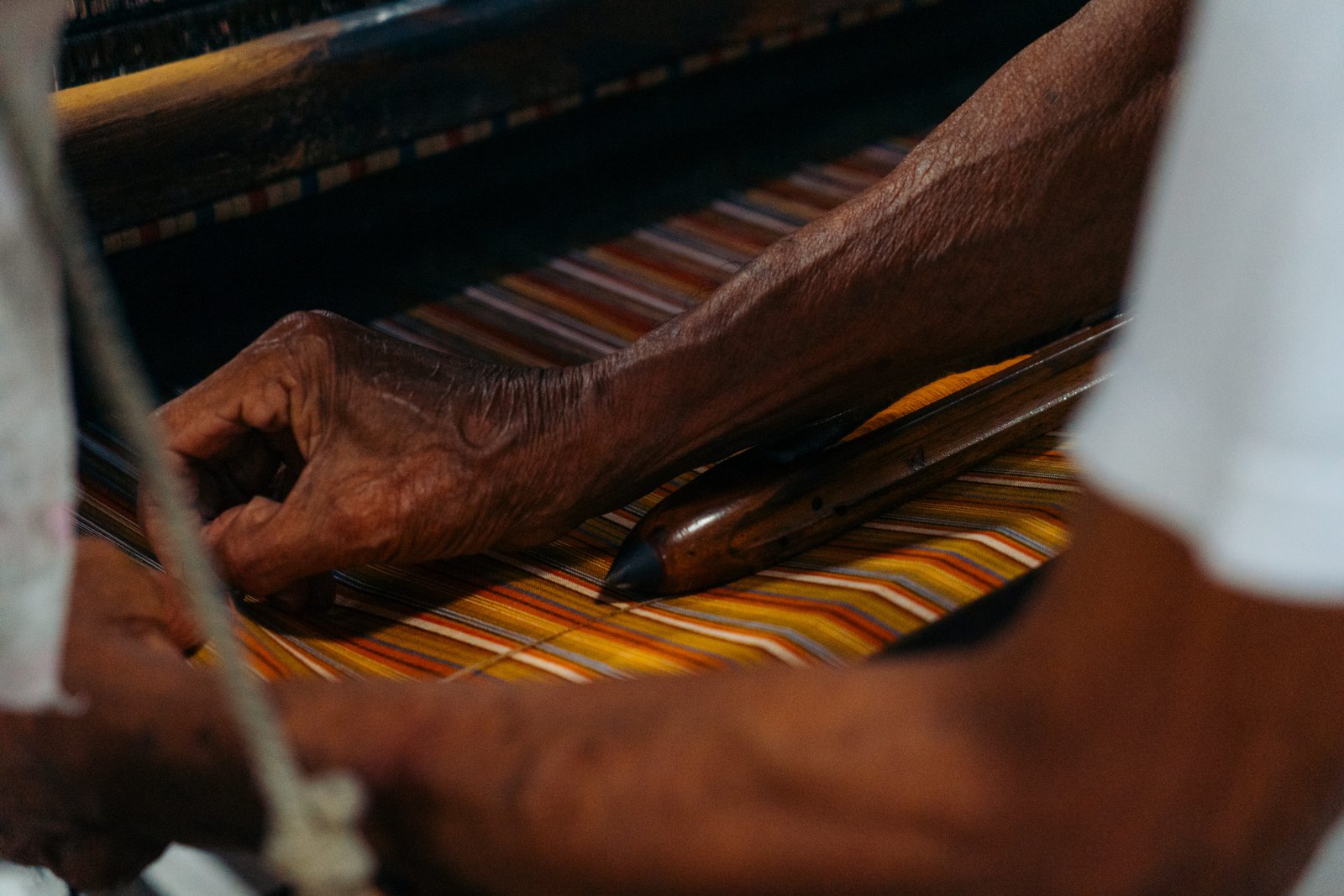
Cradled within Yogyakarta’s cultural landscape, lies a timeless tradition that continues to beat with the rhythm of heritage—Lurik Kurnia Jogja. Since 1962, this iconic workshop has preserved the ancient art of making lurik, a traditional Javanese cloth known for its simple yet elegant small stripe patterns. More than just fabric, lurik is a symbol of humility, discipline, and cultural identity.
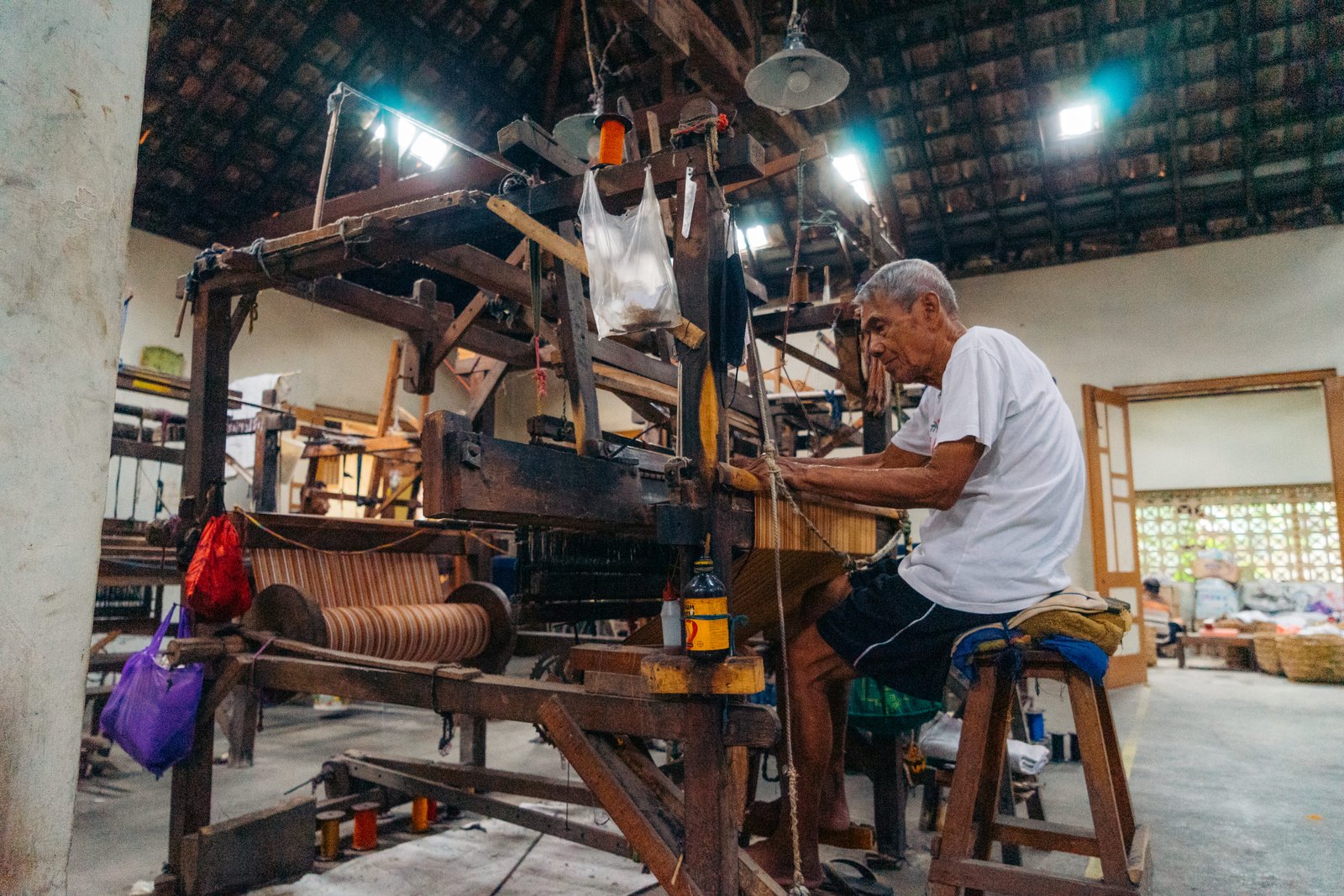
At Lurik Kurnia, every thread tells a story. Here, the entire process of lurik-making is still done the traditional way, with dedication, patience, and remarkable craftsmanship.
It begins with raw cotton threads, carefully selected to ensure the finest quality. The threads are then dyed using both chemical and natural dyes—a beautiful harmony of innovation and sustainability.
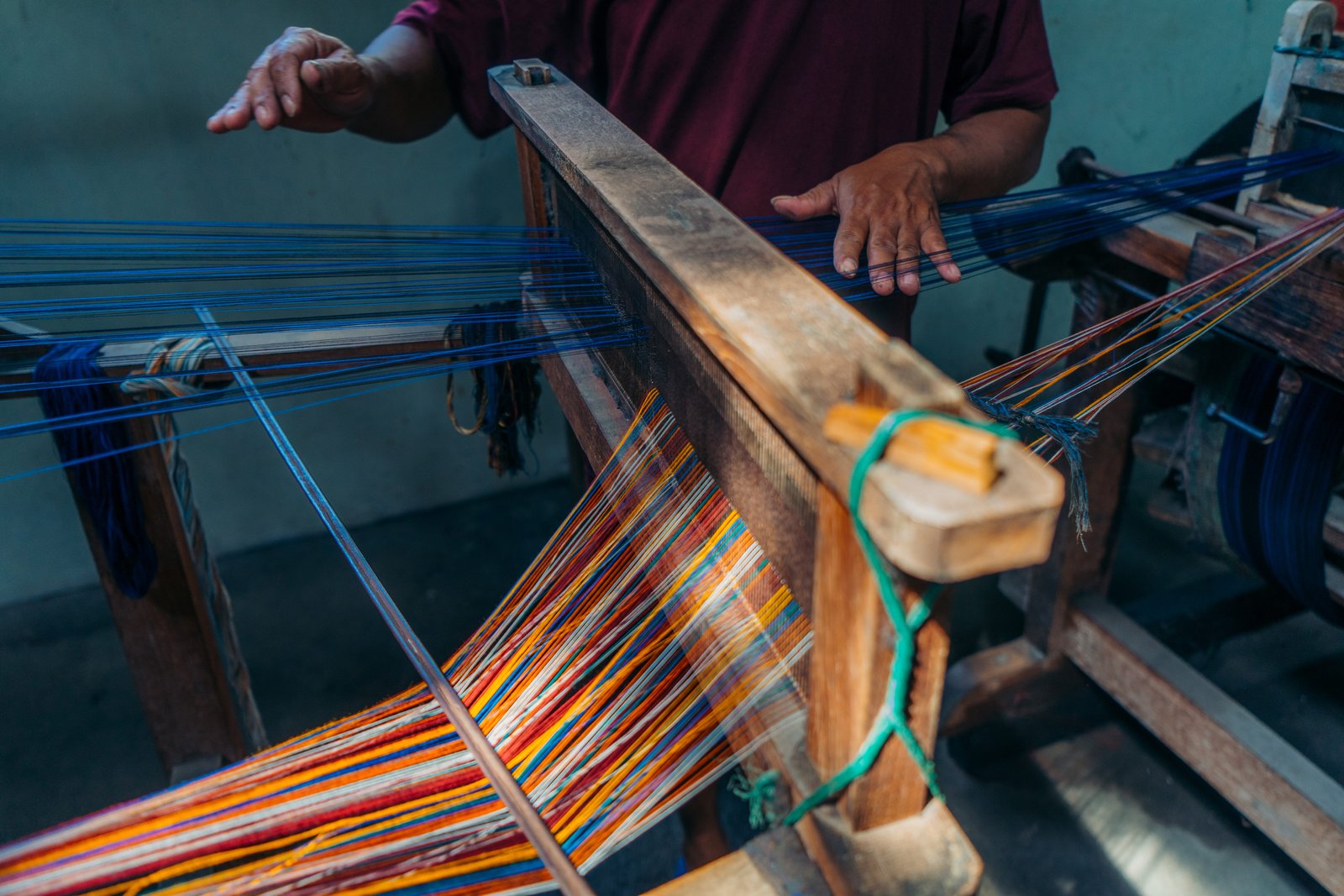
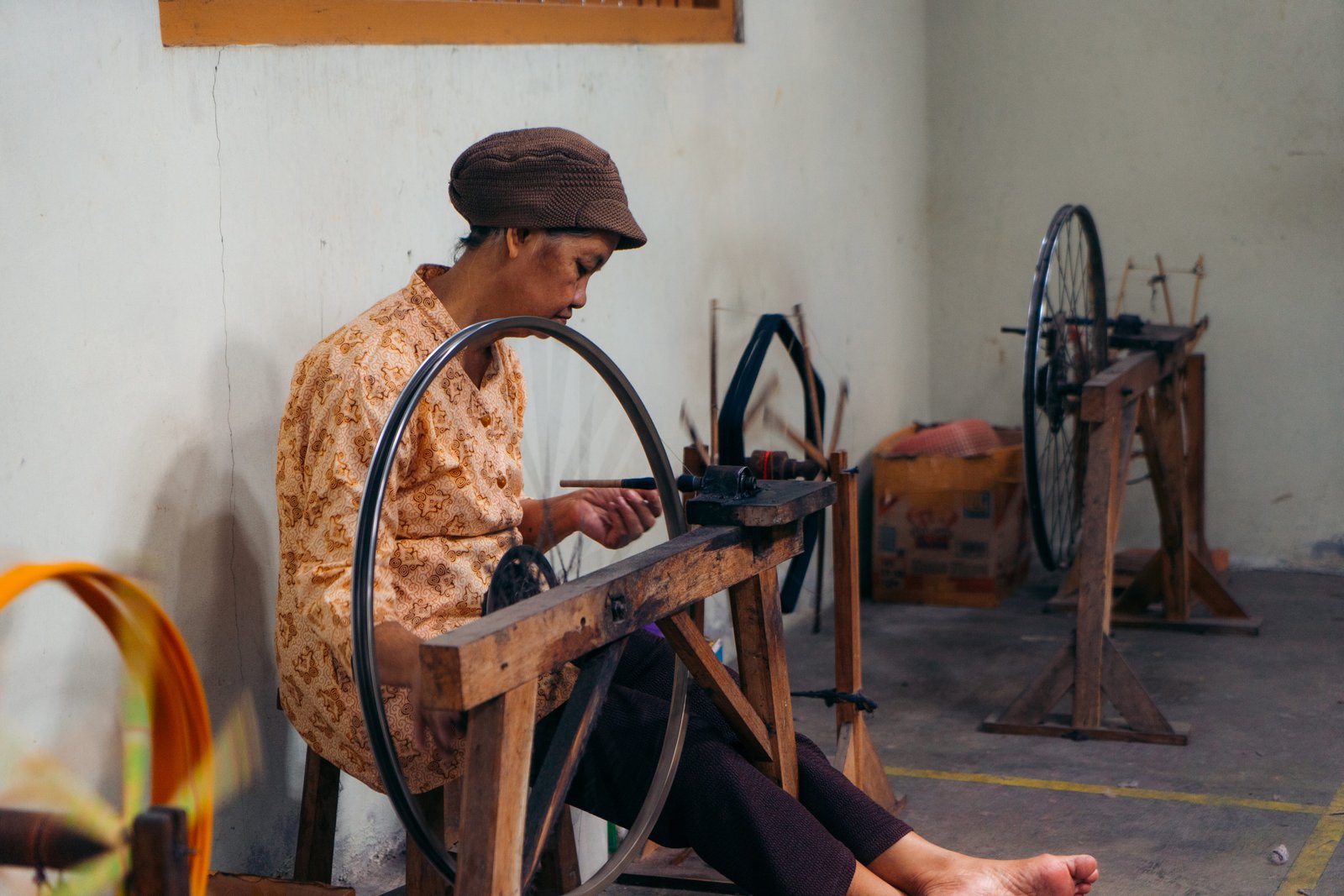
Once dyed, the threads are sun-dried with utmost precision, as perfect dryness is essential to achieve the desired texture and strength. Next comes spinning, a detailed process that separates warp (lungsi) and weft (pakan) threads. Each is handled differently, depending on its role in the fabric’s final form.
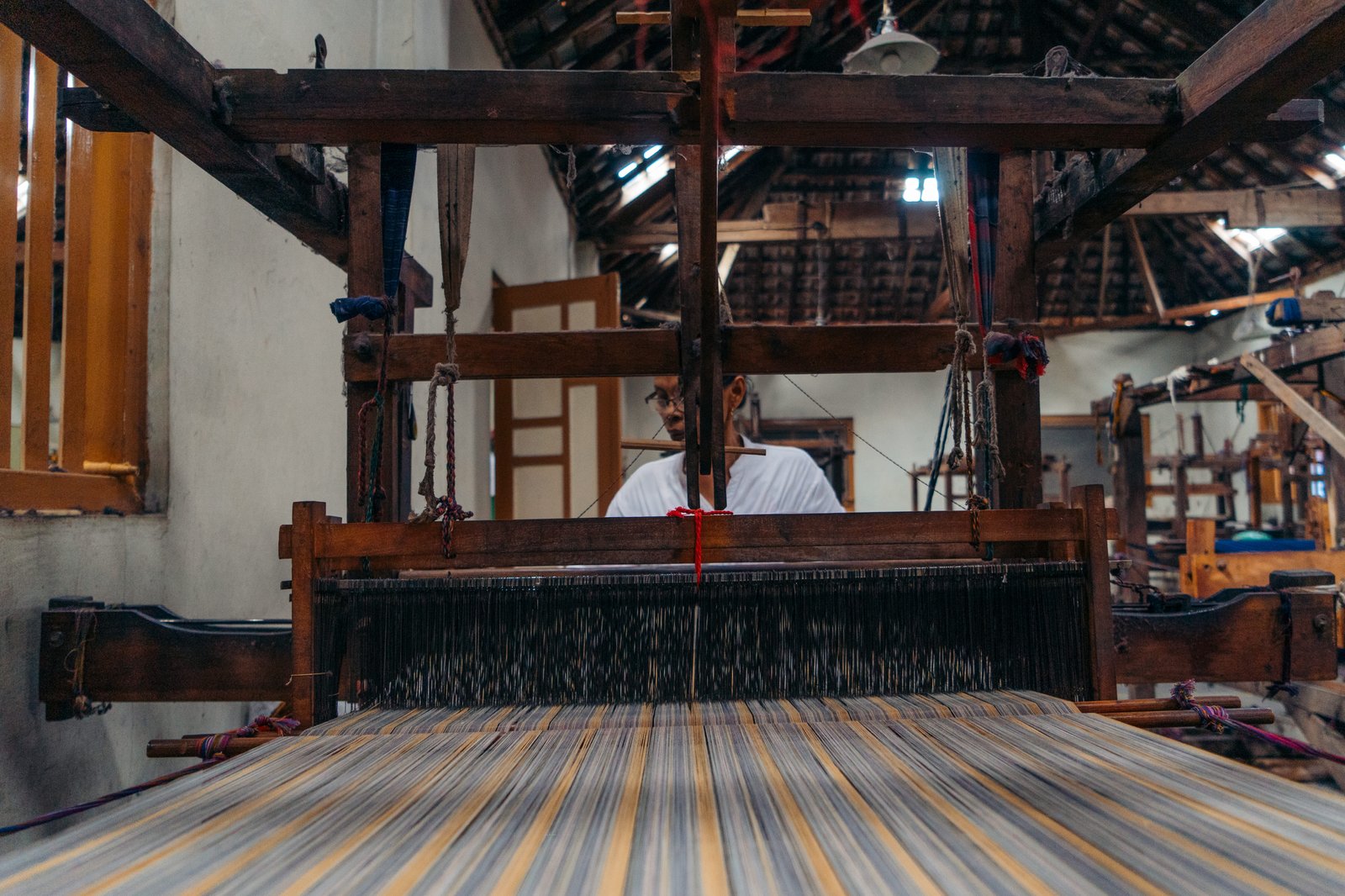
But the true magic lies in the motif creation — a delicate, thoughtful arrangement of threads, laid one by one according to the desired pattern. Only then does the cloth finally meet the loom, where the weaver’s hands bring the fabric to life.
It takes 1.5 to 2 months to complete just one motif of lurik cloth. Both skill and patience poured into every meter. In an age of speed and automation, Lurik Kurnia reminds us of the beauty that lies in slowness, intention, and human touch.
At Lurik Kurnia, you’ll get to witness the creation of history in motion, feel the threads between your fingers, and perhaps take a piece of it home. This isn’t just a textile—it’s a soul-stirring love for the beauty of process. Come and see it for yourself.